

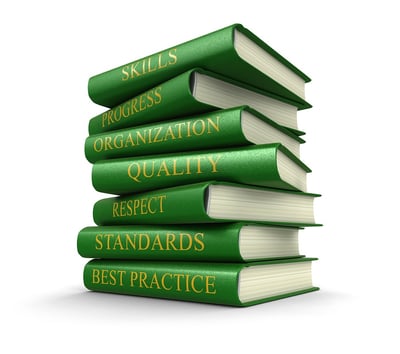
 We talk a lot about industry best practices at Stathakis. But what does that actually mean?
Are best practices good for us, good for you, or both?
If you manage a facility and contract for office cleaning, industrial cleaning, school cleaning, healthcare cleaning, or commercial cleaning, you may wonder:
- Do “best practices” really affect my building?
- Do they improve service quality and reduce issues?
- Do they protect my budget and my time?
What does “best practice” mean in commercial cleaning?
Let’s start with a simple definition.
A best practice is a method that consistently produces better results than other options.
Over time, it becomes a standard others can compare against.
Best practices are not fixed forever. They improve as better ways are discovered.
They also help companies deliver consistent quality, even when there are no strict laws that force a process.
Many industries use best-practice frameworks, including standards such as ISO 9000, ISO 14001, and CIMS.
How janitorial best practices impact your facility
Janitorial services best practices cover both on-site work and how a company manages service.
So what should you look for?
1) Strong hiring, training, and supervision
People are the foundation of any service business.
A janitorial company should have clear systems for:
- Hiring and screening
- Training for consistent results
- Ongoing supervision and coaching
This matters because high turnover often leads to inconsistent work, missed tasks, and extra headaches for you.
2) Clear, transparent pricing
Transparent pricing is one of the most important best practices.
It means you understand exactly what you get for your janitorial budget.
A good bid should be specific, so you can compare options fairly and hold providers accountable.
3) Consistent service and fast communication
A quality cleaning company should stay consistent and respond quickly when something changes.
That usually includes:
- Regular inspections
- Simple reporting and follow-ups
- Clear points of contact
When issues happen (and they will), systemized communication helps fix them fast with minimal disruption.
4) Health, safety, and environmental responsibility
The best janitorial companies protect both people and buildings.
This includes:
- Training on safe, effective cleaning methods
- Using the right products the right way (science and chemistry matter)
- Reducing germs while avoiding unnecessary harsh chemicals
- Using green options where possible
Green cleaning can also include practical steps, like reducing plastic liner waste when it’s not needed and using recycled paper products in restrooms.
How CIMS supports janitorial best practices
CIMS (Cleaning Industry Management Standard) is a management framework built specifically for the cleaning industry.
It helps companies build customer-focused operations with clear systems for quality and performance.
The standard was developed by the International Sanitary Supply Association (ISSA) to create a benchmark for companies that choose to operate at a higher level.
CIMS focuses on five key areas:
- Quality Systems
- Service Delivery
- Human Resources
- Health, Safety & Environmental Stewardship
- Management Commitment
Why CIMS certification helps facility managers
The janitorial market can be crowded and confusing.
CIMS certification helps you quickly identify companies committed to higher standards.
Because certification is voluntary and verified, it often signals stronger leadership and professionalism.
It can also reduce your workload by helping you narrow your search when evaluating vendors in a crowded janitorial services marketplace.
That means fewer proposals to review and fewer dead ends during the RFP process.