


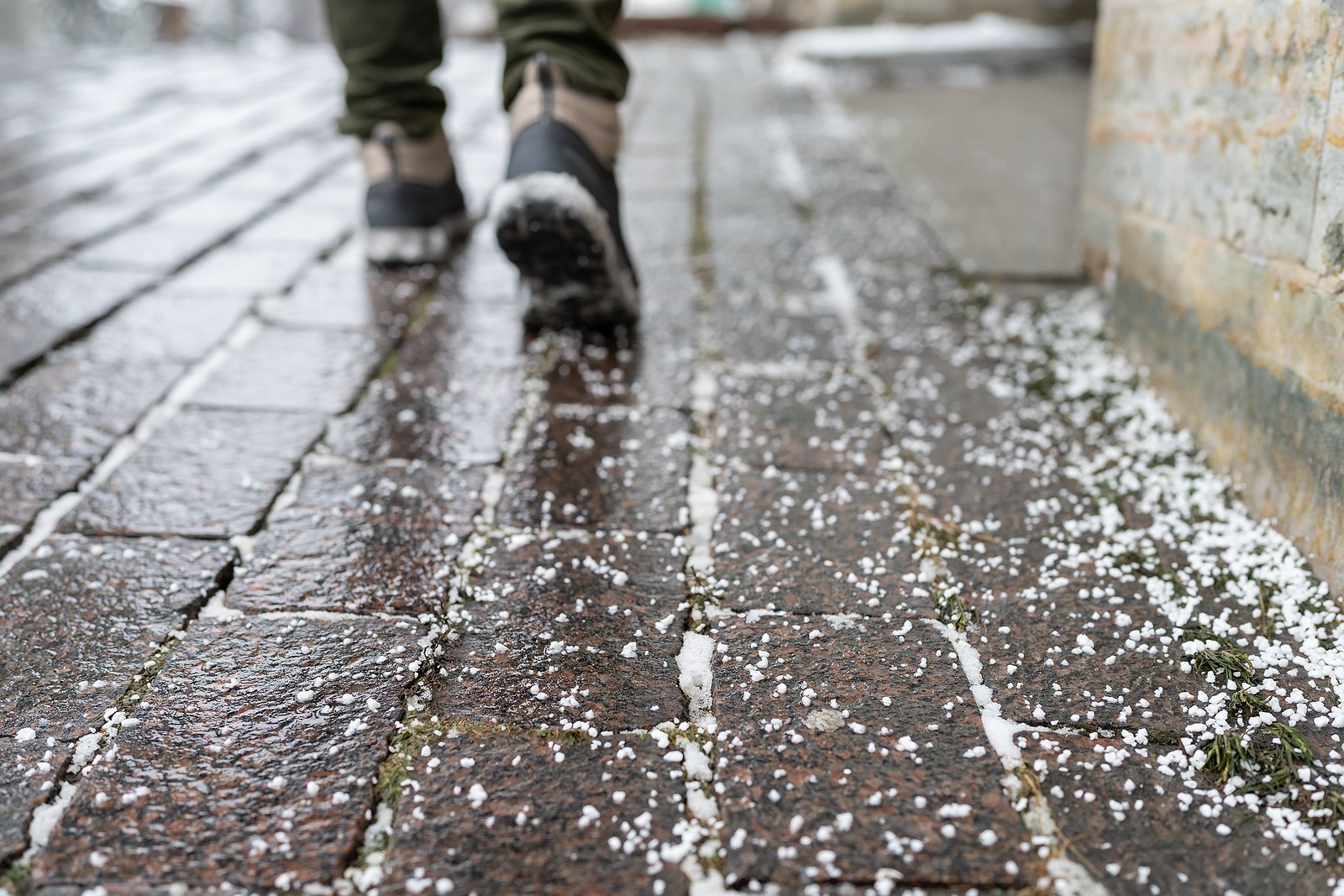
 Winter weather creates some of the toughest conditions floors face all year. Snow, ice melt, salt, and moisture are tracked into facilities daily, putting flooring, safety, and appearance at risk. If your janitorial service doesn’t adjust its approach during winter, damage can happen fast and repairs can be costly.
Many facilities underestimate how much winter impacts their floors. As discussed in our post on why proactive facility maintenance matters, planning ahead is the difference between controlled upkeep and expensive recovery.
Why Winter Is the Most Damaging Season for Floors
Winter introduces constant moisture and abrasive debris that quickly break down floor finishes. What looks like minor buildup can cause long-term damage if left untreated.
Common winter-related floor issues include:
-
Salt and ice melt residue on hard surfaces
-
Dull, cloudy floor finishes
-
Increased wear in high-traffic areas
-
Higher slip-and-fall risk for employees and visitors
Facilities that skip seasonal planning often face the same problems we outline in our article on common causes of premature floor wear.
Entrance Matting Is the First Line of Defense
The most effective winter floor care starts before anyone steps inside. Proper entrance matting captures moisture and debris before it spreads through the building.
A winter-ready janitorial service should:
-
Use multi-zone matting at entrances
-
Ensure mats are properly sized for foot traffic
-
Clean and maintain mats regularly throughout the season
As noted in our blog on reducing soil at building entrances, matting is one of the simplest ways to extend floor life.
Winter Requires More Frequent Floor Maintenance
Winter conditions demand a different cleaning approach than warmer months. Standard routines are often not enough to keep up with increased soil and moisture.
Effective winter floor care includes:
-
Increased auto-scrubbing and damp mopping
-
Faster response to wet or slippery areas
-
More frequent inspections during storms and heavy traffic days
This aligns with best practices covered in our post on adjusting janitorial schedules for seasonal demand.
Floor Finish Protection Should Be Evaluated Before Winter
Floor finish acts as a protective barrier, and winter is when that barrier is tested the most. Worn finishes allow salt and moisture to penetrate the floor surface, causing permanent damage.
A proactive janitorial partner will:
-
Evaluate floor condition before winter begins
-
Apply additional finish if needed
-
Use products designed to handle moisture and heavy soil
We often see avoidable damage when finish maintenance is delayed, a topic we address in our article on floor maintenance best practices and avoiding premature damage.
Winter Floor Care Plays a Major Role in Safety
Slip-and-fall incidents rise significantly during winter months. Floors near entrances, hallways, and restrooms require constant attention to stay safe.
Strong winter safety practices include:
-
Prompt removal of moisture buildup
-
Proper placement of wet floor signage
-
Ongoing monitoring throughout the day
This supports the safety principles outlined in our post on how janitorial services reduce workplace risk.
Is Your Janitorial Service Planning Ahead?
A reliable janitorial partner doesn’t wait for problems to appear. They communicate, plan, and adjust before winter conditions take a toll.
They should be asking questions like:
-
How does winter foot traffic affect this facility?
-
Are entrances adequately protected?
-
Do floors need added finish or schedule changes?
If these conversations aren’t happening, winter damage may already be underway.
Winter Floor Care Protects Your Long-Term Investment
Floors are one of the most visible and expensive assets in any facility. Winter is when that investment is most vulnerable.
With the right winter floor care strategy, organizations can:
-
Extend floor life
-
Maintain a clean, professional appearance
-
Reduce long-term maintenance costs
This long-term view reflects the approach we take in our article on protecting facility assets through preventative maintenance.
Winter Floor Care Checklist

Use this checklist to evaluate whether your janitorial service is truly prepared for winter:
Entrance & Prevention
-
Multi-zone entrance matting is in place
-
Mats are sized correctly for traffic volume
-
Mats are cleaned and maintained regularly
Daily Maintenance
-
Floor cleaning frequency increases during winter
-
Salt and residue are removed before buildup occurs
-
Wet areas are addressed quickly
Floor Finish Protection
-
Floor condition reviewed before winter starts
-
Additional finish applied where needed
-
Products selected for winter conditions
Safety Controls
-
Wet floor signage used consistently
-
High-risk areas monitored throughout the day
-
Slip hazards addressed immediately
Communication & Planning
-
Janitorial provider adjusts winter schedules
-
Seasonal expectations are clearly defined
-
Facility leadership receives proactive recommendations
If your current service can’t confidently check every box, it may be time to reevaluate your winter floor care strategy.



-resized-600.jpg?width=400&height=225&name=slip_and_fall_(2)-resized-600.jpg)