

The Flu Is Raging This Season, And That’s Not All
This year is proving to be an especially virulent influenza season. Fortune magazine reported that according to the CDC, the flu is killing up to 4,000 people weekly.
“We have a lot to learn still about influenza. It’s a wake-up call about how severe influenza can be,” said Anne Schuchat, CDC acting director.
But even beyond the flu, numerous disease-causing bacteria and viruses lurk in facilities—especially medical environments with constant exposure to sick individuals.
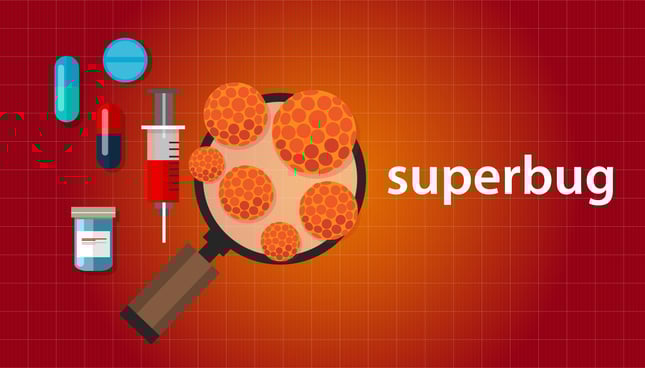
Risks continue to rise with superbugs like MRSA, CRE, C. difficile, Ebola and more.
For example, the frequency and severity of Clostridium difficile infections have increased significantly in hospitals and long-term care facilities.
The emergence of a hyper-virulent strain and the rise of community-acquired cases demand a new approach to infection prevention.
Cleanliness is critical—not just to reduce actual risk, but to influence patient confidence. A dirty waiting room, overflowing trash or unclean restrooms can create serious doubt about the safety of care provided.
Superbugs & Medical Cleaning: What Matters Most?
Research shows we have effective cleaning products and methods for reducing pathogens—but only when used correctly.
Frontline cleaners must be properly trained on which products to use, how to follow correct dwell times and how to identify critical touch points and hot spots.
You need a hospital cleaning service that trains its teams thoroughly for a safe, clean environment.
Improper use of disinfectants significantly reduces their effectiveness. Even the best products—disinfectants, fungicides, virucides, surfactants—fail without correct application.
Medical cleaning companies that skip adequate training put patient health and your reputation at risk.
Don’t Let Your Medical Cleaning Company Put You At Risk
Just as physicians vary in skill and expertise, medical janitorial services also differ in competency.
Many companies want medical cleaning contracts, but only a fraction are truly prepared to meet healthcare-grade standards.
If you are evaluating your current provider or seeking alternatives, consider the following questions:
- Do they fully understand medical cleaning requirements?
- Are they knowledgeable about compliance and regulatory standards?
- Do they understand how their work affects HCAHPS scores?
- Do they follow the science behind cleaning, including dwell times and touch points?
- Is employee training structured, detailed and ongoing for medical-specific tasks?
- Do they provide OSHA, HIPAA and Bloodborne Pathogen safety training?
- Do they use a green cleaning program when appropriate?
- Do they hold certifications such as the ISSA CIMS?
Find The Right Medical Cleaning Company & Get The Protection You Need
The right medical cleaning company cannot eliminate every threat—HAIs, superbugs, influenza or C. difficile—but they can significantly reduce your risk and help maintain a healthier environment.
The best healthcare cleaning companies have structured training, proven processes and systems tailored to medical environments.
Just as medicine requires specialists, so does medical cleaning.
A qualified medical cleaning company should provide references, documented training programs and verifiable processes demonstrating measurable results.
Partner with the right provider, and maintaining a safer, cleaner healthcare facility becomes much easier.