

With Superbugs, What You Don't See Can Hurt You
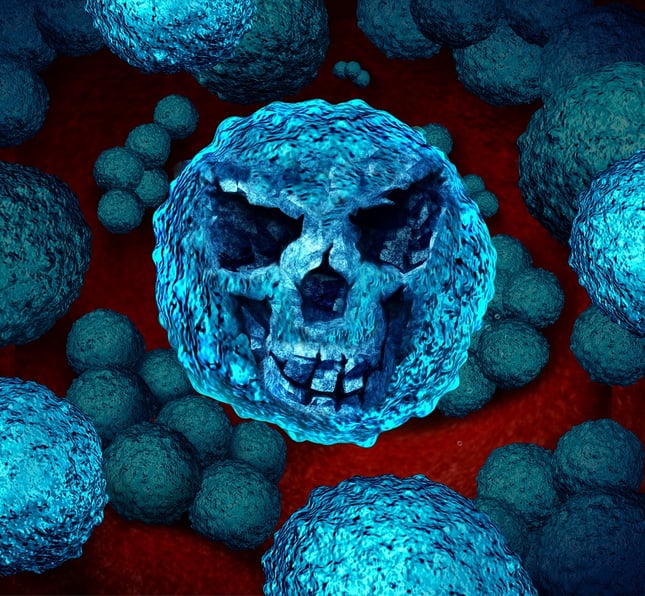
When it comes to hospitals and medical facilities, what you don’t see can hurt you. The list of frightening acronyms and “superbugs” continues to grow with HAIs (Hospital Acquired Infections), MRSA (Methicillin-resistant Staphylococcus aureus), CRE (carbapenem-resistant Enterobacteriaceae), C. difficile, Ebola and more.
According to the CDC, in 2011 nearly half a million infections were caused by C. difficile alone. Of these, 29,000 were fatal within 30 days of diagnosis.
Medical care already makes patients feel vulnerable. Poorly maintained healthcare environments can increase that anxiety while also contributing to the spread of infection. This is why hospital and medical cleaning services remain a major concern for both patients and their families.
What the Research Tells Us About Superbugs and Medical Cleaning
According to a 2015 study on hospital cleaning [1], research provides strong insight into how different cleaning agents and techniques perform before and after use.
This is encouraging because it means we understand how cleaning products work most effectively .
These findings guide instructions for disinfectants, including proper dwell times and cleaning sequences designed to reduce harmful microbes and protect patient health.
The Good News and the Bad News of Healthcare Cleaning Services
The bad news is that many medical cleaning companies do not provide adequate training for their employees.
Even the most effective disinfectants and cleaning products become far less effective when used incorrectly.
Studies also show that high-touch surfaces are the most likely to harbor bacteria and viruses. These surfaces require extra attention during cleaning.
Cleaning companies that fail to properly train their teams are not equipping them with the tools needed to protect patient health or the reputation of your facility.
Is Your Cleaning Company a Risk or a True Partner?
Just like healthcare providers themselves, medical cleaning companies range from excellent to inadequate. Many commercial janitorial companies will compete for your business, but only a few can consistently deliver the level of service healthcare environments require.
When evaluating your healthcare cleaning provider, consider these questions:
- Do they truly understand the requirements of medical cleaning?
- Are they familiar with healthcare regulations and compliance requirements?
- Do they understand how their work impacts HCAHPS scores?
- Do they understand the science behind cleaning and infection control?
- Do they have a structured training system for both general and specialized medical cleaning?
- Do they require safety compliance training for OSHA, HIPAA and Bloodborne Pathogens?
- Are they certified within the cleaning industry?
- Do they offer green cleaning programs using biodegradable and low-toxicity products?
Ask Your Medical Cleaning Company the Right Questions
Hiring the right medical cleaning provider begins with asking the right questions and verifying claims with real evidence rather than relying on sales presentations.
The medical cleaning companies that truly understand your industry will be happy to demonstrate their systems and procedures.
Any healthcare cleaning company worthy of your business should support its claims with documented systems, proven processes and strong references.
Although selecting the right provider may take time, the result can be a long-term partnership that delivers reliable service and real value for your facility.
[1] Cleaning hospital room surfaces to prevent healthcare-associated infections: a technical brief, Jennifer Han et al., Annals of Internal Medicine, 2015. Abstract